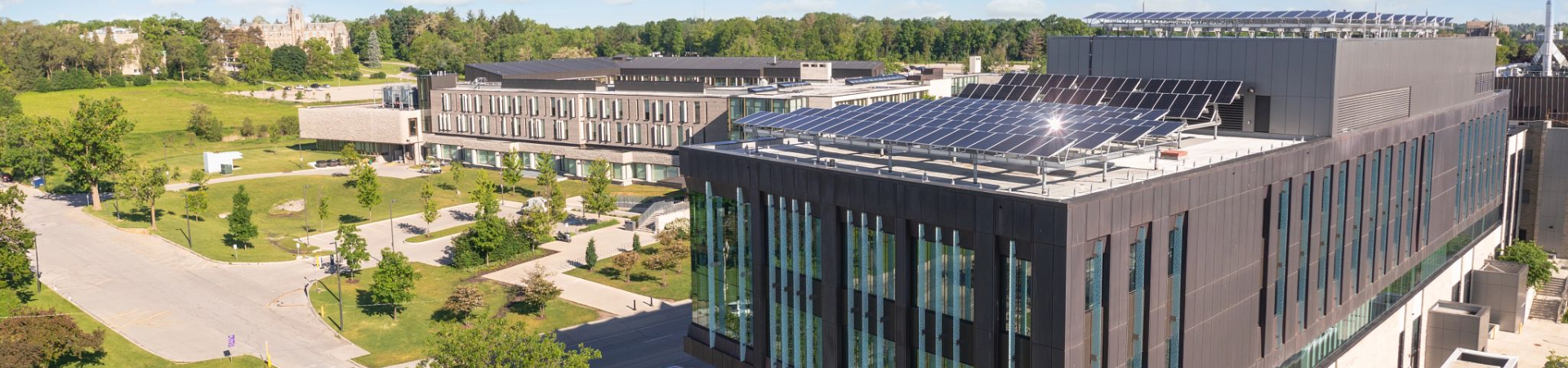
Aerial view of Amit Chakma Engineering Building's solar panels

Energy, Carbon & Water

Energy, Carbon & Water
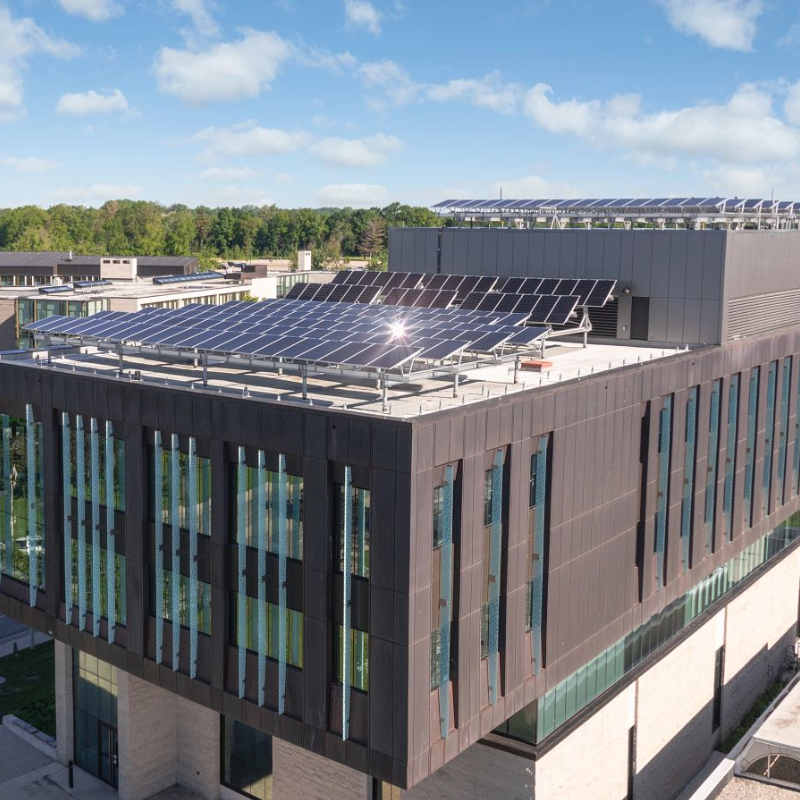
Aerial view of Amit Chakma Engineering Building's solar panels

Energy, Carbon & Water

Western has a portfolio of more than 100 buildings, with sustainability efforts focused on energy efficiency, water conservation, and greenhouse gas emission reductions. Western has committed to ambitiously reduce our greenhouse (GHG) emissions by at least 45% by 2030, relative to 2005 levels, and to achieve net-zero emissions for campus operations by 2050 or sooner.

As part of Western's GHG reduction plants, over the past several years the seasonal chilled water network on campus has been upgraded and converted to a year-round energy loop that allows energy sharing between buildings. Demand Management is an energy conservation initiative, which allows us to reduce our electricity consumption when provincial demand is the highest.

All new buildings and retrofits completed through the Deep Energy Retrofit Program (DERP) are being designed to integrate with the energy loop. Western is also updating its sustainable building design guidelines to support energy efficiency, emissions reduction, and integration with campus energy infrastructure.

Learn More
Carbon Emissions
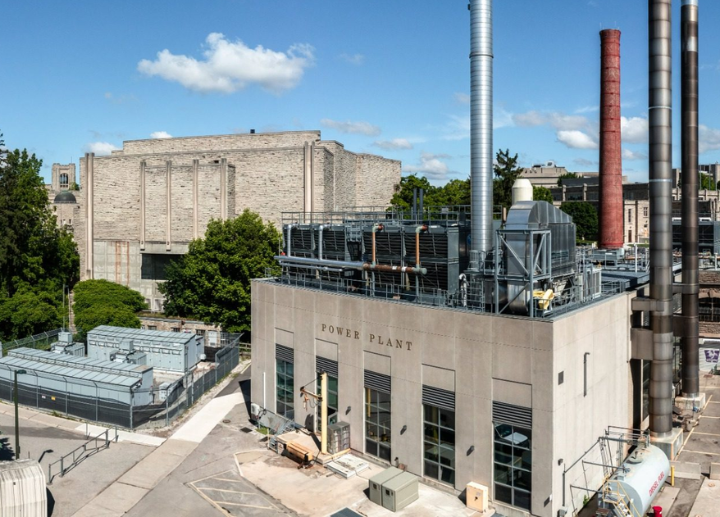
District Energy System
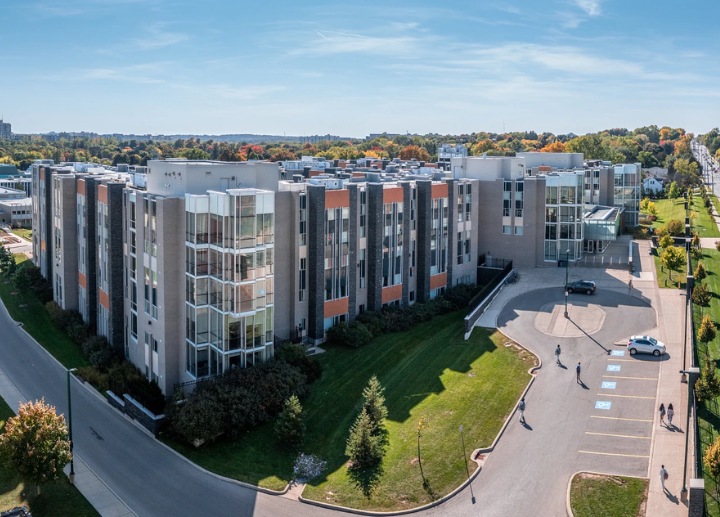
Sustainable Buildings
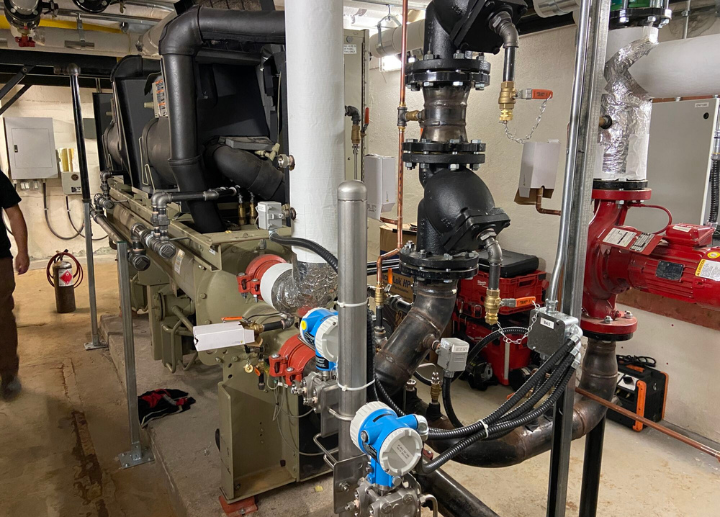
Deep Energy Retrofit Program (DERP)
Water Conservation

Frequently Asked Questions

Energy efficiency is vital for Western University as it can lead to significant cost savings and sustainability benefits. Similar to waste and recycling, the most sustainable energy use is when we reduce our consumption (Think: Reduce, Reuse, Recycle). Reducing our energy usage through greater efficiency measures also reduces our GHG emissions since a lot of emissions are generated through energy use (e.g. heating and cooling our buildings).
At its core, measurement and verification of energy savings involves comparing energy used before and after a project, however the specific details can be complicated. Generally, energy savings verification involves collecting data (ideally for a year or more) related to energy use; weather; building use, scheduling and occupancy; and other projects. The data from before the energy savings project is used to establish a baseline energy use. Post-project data is compared to the baseline using adjustments if there are significant changes in weather, building use, occupancy, etc. For example, if a building goes from 50% occupied to 100% occupied while an energy savings project is implemented, adjustments are used so that the before and after buildings have the same occupancy.
Western University is installing electric steam boilers as part of its commitment to significantly reduce GHG emissions and achieve net-zero emissions by 2050 or sooner. The University’s Power Plant is responsible for the majority of Western’s Scope 1 and Scope 2 emissions, because the Power Plant provides heating and cooling across campus. Given that Ontario’s electricity grid is predominantly powered by low-carbon sources such as nuclear, hydroelectric, and wind energy, electric boilers currently produce significantly less emissions compared to natural gas boilers. The project is bolstered by nearly $4.75 million in federal funding from Canada's Decarbonization Incentive Program, which supports clean technology projects using proceeds from the federal carbon pollution pricing system (OBPS).
The Deep Energy Retrofit Program (DERP) plays a significant role in advancing the University's carbon reduction goals. DERP focuses on renovating existing buildings to enhance their energy efficiency and reduce carbon emissions. By updating equipment, systems, and control strategies, DERP projects typically achieve a 60-80% reduction in Scope 1 and Scope 2 emissions per building. These retrofits integrate with Western's energy loop, which redistributes excess heat between buildings, further optimizing energy use. This initiative supports Western's commitment to reducing greenhouse gas emissions by 45% by 2030 and achieving net-zero emissions by 2050 or sooner. Learn more about DERP and Green Buildings.
The DERP program focuses on the most energy-inefficient buildings first, while also considering feasibility factors such as technical feasibility, emissions impact, and available funding. From pre-project planning and feasibility to post-project verification, DERP projects take about 5 years to complete.
Western Sustainability offers a variety of programming and events to get involved. Students can join the Western Sustainable Leaders Program (WSLP), or explore sustainability-focused clubs through the Western Environment & Sustainability Network. Staff and faculty are invited to join the Sustainable Workplace Ambassadors Program (SWAP). These networks exist to build collaborations across campus, raise awareness of current initiatives, and support dialogue on new initiatives. Students, staff and faculty are also welcome to join events and Green Tours to learn more about how the campus is advancing sustainability. Learn more in our Get Involved section of the website.