

Search Website
District Energy System
District Energy System
District Energy System
Western has district steam and chilled water networks, which together make up the district energy system on campus. The district energy system at Western includes two chilled water plants, a steam plant and infrastructure like pumps and steam tunnels to move the water and steam around campus.
The steam network operates year-round and is used for heating, humidification and research applications. Historically, the chilled water network was used for cooling from late April to early October but in 2019 this network was converted into a year-round energy loop and waste heat from buildings can be recovered and injected into the energy loop and then shared between buildings on campus. This in turn reduces the amount of steam required to heat campus buildings.
Waste heat at Western University is primarily recovered from two sources:
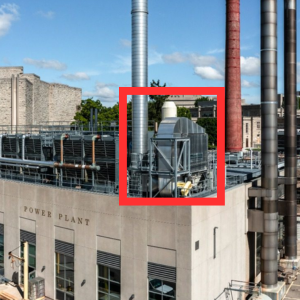
Flue gas recovery unit located at the Power Plant
Energy Loop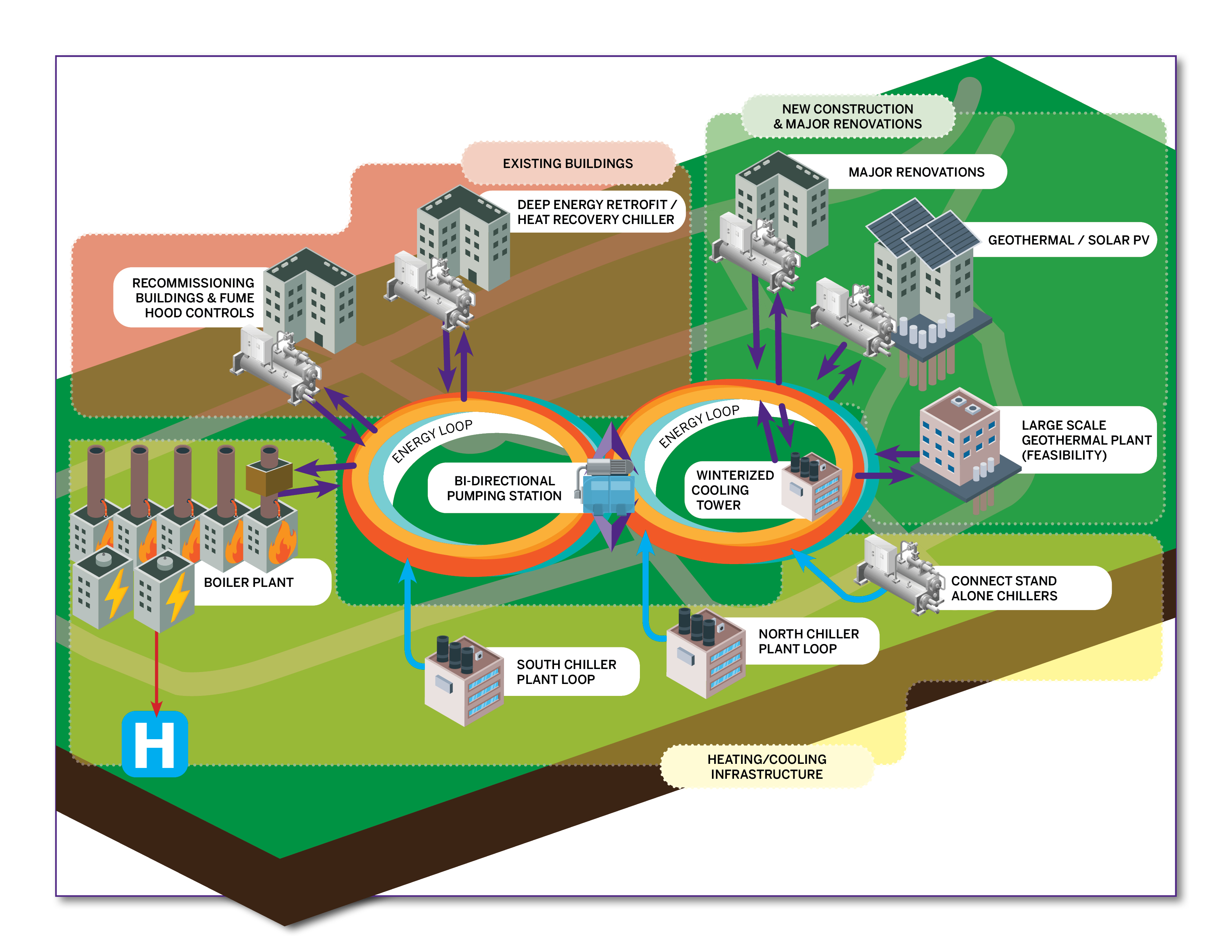
Electric Boilers
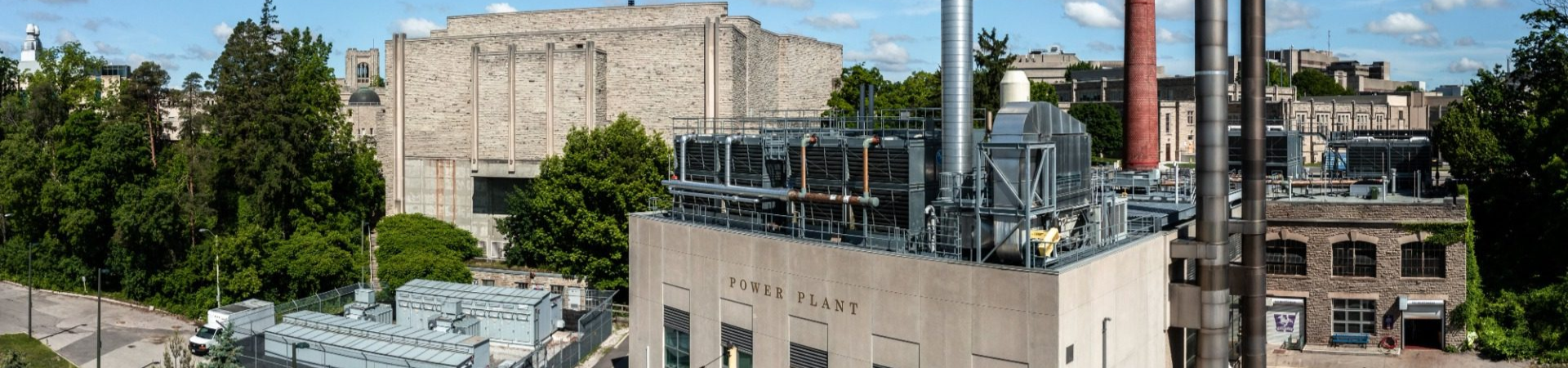
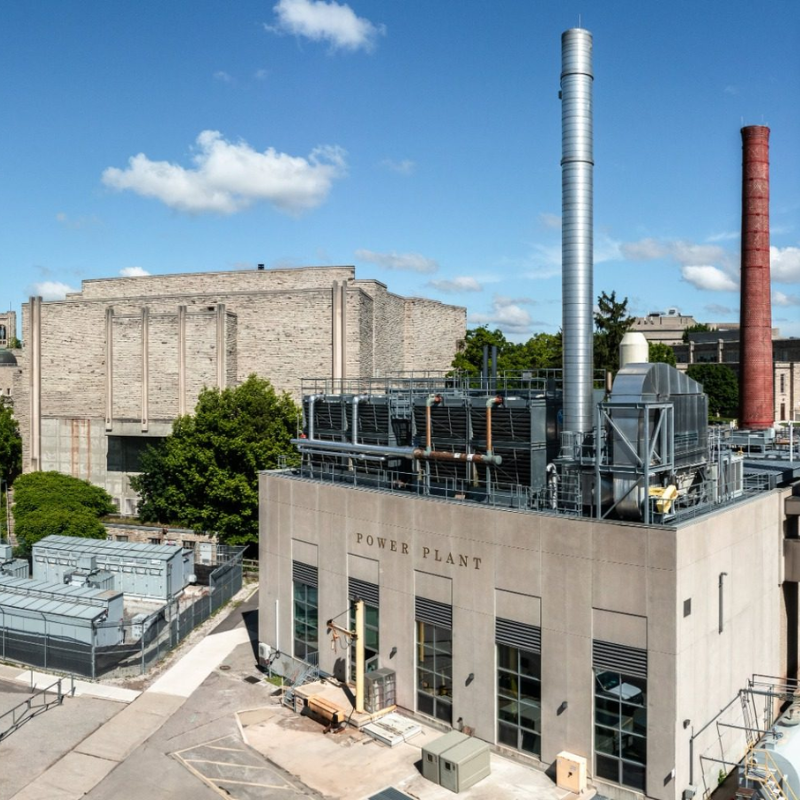
The Power Plant is one of Western's oldest buildings at over 100 years old. The Power Plant uses natural gas boilers to generate steam for space heating, hot water, humidification and sterilization across main campus and the University Hospital. It also produces chilled water for cooling.
One of the main functions of the natural gas boilers is to heat our campus and these boilers are a major source of Western’s Scope 1 emissions.
Western has received $4.75 million from Environment and Climate Change Canada through the Decarbonization Incentive Program, towards installing electric boilers. The two new electric boilers will produce about 40% of the university's steam and reduce overall campus emissions by 20-30%. This project is a major initiative that will help towards Western achieving its 2030 greenhouse gas reduction targets. Learn more about the funding announcement and electric boilers in Western News.
Demand Management
Demand management is a methodology used to forecast, plan and manage electrical demand on campus. These efforts and activities protect Western's infrastructure and resiliency, while also supporting Ontario's broader electricity system.
In addition to long-term strategic planning, the Facilities Management team, in collaboration with other units and areas on campus, implements a demand management program which allows us to reduce our electricity demand for short (4 - 8 hour) durations when the provincial electricity demand is at its highest. This can help manage Western's electricity costs and prevent power outages on the broader electricity grid while reducing greenhouse gas emissions from natural gas power generating plants across the province.
Currently, the provincial peak demand typically happens on hot, humid days in the summer, but as heating loads electrify across the province, these peaks may also occur on the coldest days in the winter.
Our current demand management program involves temporarily increasing chilled water temperature in areas of campus that do not have strict temperature and humidity requirements, while continuing to run fans and ventilation as normal. This strategy will continue to evolve as Western's and the province's infrastructure and electricity profiles change.